

 Floating Candles
 Tealight Candles
 Taper / Dinner Candles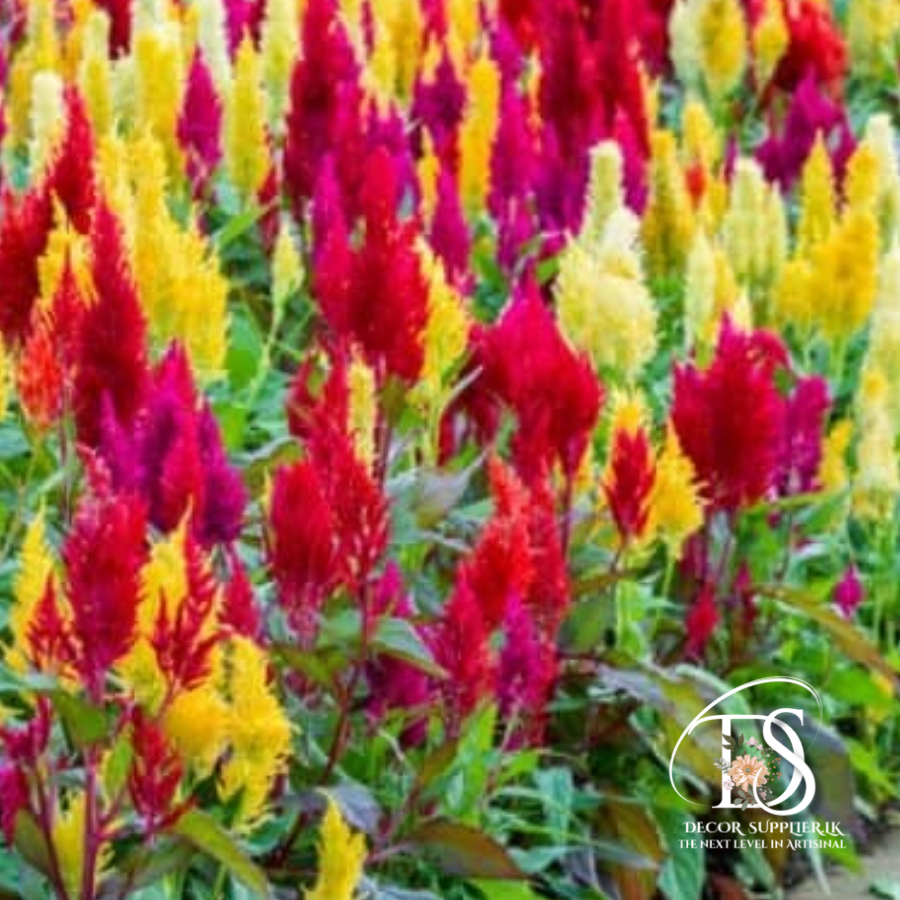

Celosia are vibrant, heat-loving plants in the amaranth family, known for their velvety, uniquely shaped flowers that resemble brain-like crests, feathery plumes, or spike-like wheat. Also called cockscomb, they are popular ornamental annuals for their long bloom season and tolerance of heat and humidity. The leaves and young stems of some species are edible and nutrient-rich.
- Appearance:Celosia flowers are known for their bold, bright colors (red, orange, yellow, pink, purple) and unique textures. There are three main types:
- Growth Habit:Most varieties are bushy, upright plants that can range in height from 6 inches to over 4 feet.
- Drought and Heat Tolerant:Celosia thrives in hot, dry weather and can tolerate sweltering temperatures.
- Edibility:The leaves, young stems, and flowers are edible and are consumed as vegetables, especially in parts of Africa and India.
Growing Celosia
- Light:They need full sun, with at least 6-8 hours of direct sunlight daily.
- Soil:Plant in well-draining soil.
- Watering:Water regularly, keeping the soil consistently moist but avoiding waterlogged conditions.
- Care:Deadhead (remove) spent blooms to encourage more flowers, as the plant will otherwise put energy into seed development.
- Cold Sensitivity:Celosia plants are very sensitive to cold and cannot withstand frost, so plant them only after all danger of frost has passed.
Uses
- Ornamental:Grown for their striking, long-lasting flowers in gardens, beds, and as cut flowers in arrangements.
- Edible:The leaves are a good source of vitamins and minerals.
- Traditional Uses:In some cultures, particularly in Korea, flowers are used as a traditional garnish.
- Biocontrol:Celosia can also be used to control parasitic weeds like Striga, a significant pest in African agriculture.

Reviews
There are no reviews yet.